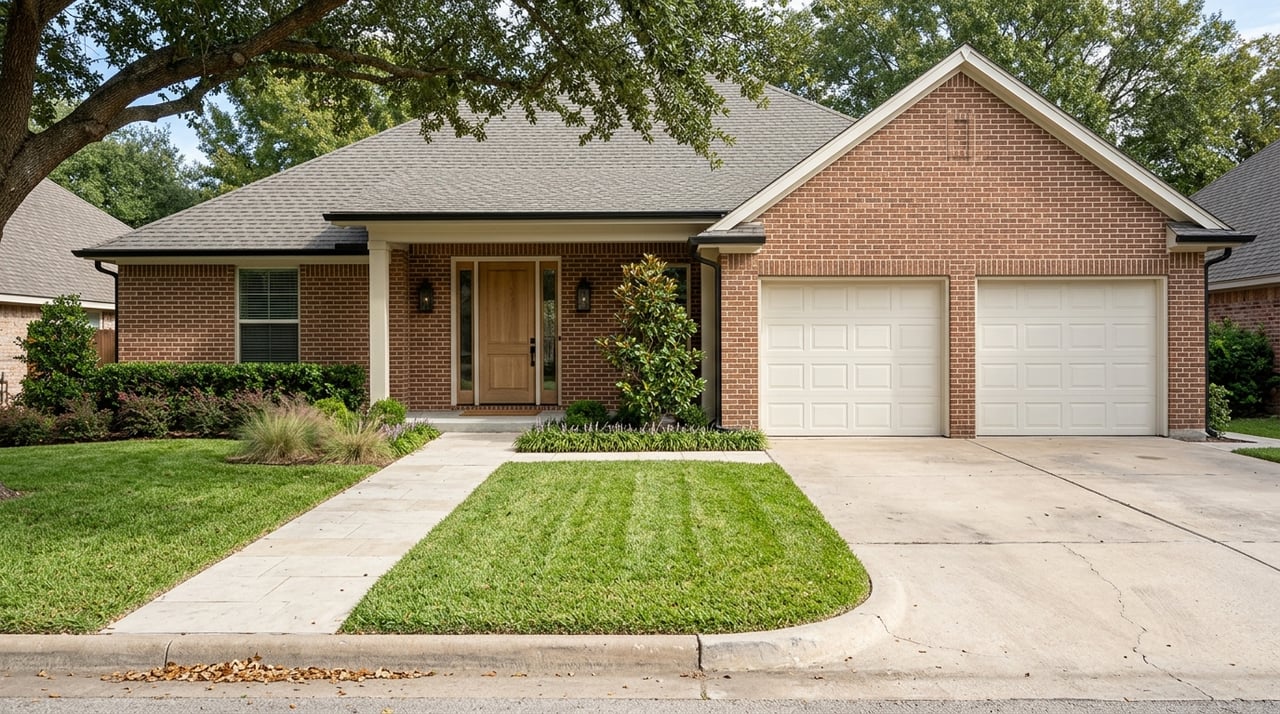
Sugar Land Neighborhoods Comparison by Lifestyle Fit
April 2, 2026
April 2, 2026
Wondering which Sugar Land neighborhood actually fits your day-to-day life, not just your wish list? That is often the hardest part of a home search here. In Sugar Land, two neighborhoods can look similar on paper but feel very different once you factor in commute patterns, amenity access, home types, and community structure. This guide will help you compare Sugar Land neighborhoods by lifestyle fit so you can narrow your options with more confidence. Let’s dive in.
When you compare neighborhoods in Sugar Land, it helps to look beyond square footage and list price. The city’s growth pattern, planned development districts, and transportation network all shape how a neighborhood functions day to day. According to the City of Sugar Land’s planning information, the community has been shaped by master plans that guide development, roadways, and a mix of uses.
That matters because your best fit often comes down to how you live. You may want quick access to trails, a shorter drive to errands, a neighborhood with more internal amenities, or a setting with a wider mix of housing options. Sugar Land also maintains 27 parks, 3 special-use facilities, and more than 35 miles of hike-and-bike trails, so access to public open space can be a meaningful part of your decision.
A practical way to compare Sugar Land neighborhoods is to focus on four everyday questions:
These questions can help you compare places that might otherwise seem similar online. In Sugar Land, the answer can vary quite a bit between central areas like First Colony, recreation-focused communities like New Territory, newer planned communities like Telfair, and established areas like Greatwood.
In Sugar Land, map distance does not always tell the full story. The city’s Central Sugar Land Livability Study notes that the SH 6 and US 59 corridor connects major destinations like Lake Pointe, Town Square, First Colony Commons, and Market at First Colony, while also being one of the region’s busiest and most congested intersections.
That means a neighborhood that looks close to your daily stops may still feel less convenient during peak travel times. As you compare options, test routes along SH 6, US 59/I-69, US 90A, Sweetwater Boulevard, Williams Trace, University Boulevard, Dulles, and Eldridge. The city’s traffic and mobility resources reinforce how important these corridors are to everyday travel.
If you want a neighborhood search centered on convenience, First Colony and central Sugar Land deserve close attention. First Colony Community Services Association describes the area as a true master-planned community with residential neighborhoods, businesses, streets, lakes, parks, and greenbelts.
One of the biggest advantages here is housing variety. First Colony includes single-family neighborhoods, townhomes, condominiums, apartments, and non-residential areas, which gives you more flexibility if you are comparing home style, maintenance level, and budget within one broader area.
Central Sugar Land has a strong cluster of day-to-day destinations nearby. The area is close to First Colony Park, the First Colony Branch Library, the Sugar Land Branch Library, First Colony Mall, and Town Square, making it easier to compare convenience for errands, recreation, and events in one part of town.
Town Square is also a major lifestyle anchor. The Texas Chapter of the American Planning Association recognized Sugar Land Town Square plaza as a Great Public Space, which highlights its role as a mixed-use civic and commercial hub rather than a purely residential setting.
Because central Sugar Land is tied to busy commercial corridors, route design matters. A home that requires frequent travel through congested intersections can feel different from one with easier access to your usual destinations.
You should also review community standards if HOA structure matters to you. For example, First Colony’s community standards show how deed restrictions, architectural guidelines, and neighborhood-specific rules can shape the ownership experience.
If you want a neighborhood where recreation is built into daily life, New Territory stands out. According to New Territory Parks & Recreation, the community includes more than 450 acres of parks and greenbelts, eight lakes, four pools, 14 playgrounds, tennis courts, pickleball courts, a splash pad, a dog park, trails, leagues, and annual events.
That amenity package gives New Territory a very specific lifestyle profile. It can be a strong fit if you value internal community features and want many activities close to home, rather than relying mostly on destinations elsewhere in Sugar Land.
When touring New Territory, think about how often you want to stay within the neighborhood versus drive out for errands and entertainment. Some buyers love a recreation-heavy setting with organized amenities, while others prefer to be closer to mixed-use hubs like Town Square or central retail corridors.
This is also a good area to compare the balance between HOA-managed amenities and off-site convenience. Your ideal fit depends on whether your routine is more home-centered, commute-centered, or destination-centered.
Telfair is useful to compare if you want a newer planned-community feel with open space and convenient access to major destinations. The city lists multiple approved Telfair planned development districts, and Newland describes the area as having several hundred acres of open space, walking and biking trails around a 70-acre lake, a community center, pool complexes, and neighborhood parks.
Telfair also benefits from proximity to destinations such as Smart Financial Centre and UT MD Anderson Cancer Center, along with freeway-frontage commercial areas. For some buyers, that creates a strong balance between neighborhood amenities and access to entertainment and medical destinations.
Telfair can be a smart option if you want planned-community structure without feeling too far from major roads and activity centers. As always, test the actual route you would drive most often.
A neighborhood’s overall appeal can shift depending on whether your home has direct access to major corridors or requires extra time through interior collector streets. In Sugar Land, small routing differences can affect your routine more than online maps suggest.
Riverstone offers one of the most expansive amenity packages in the area. According to Johnson Development’s Riverstone overview, the community includes 20 miles of hike-and-bike trails, 200 acres of lakes, three recreation centers, a fitness center, a resort-style waterpark, a dog park, and 10 tennis courts.
Riverstone is also positioned near major employment corridors, medical centers, and Sugar Land Town Square. That mix can appeal to buyers who want large-scale planned-community amenities along with broader regional access.
Riverstone spans both Missouri City and Sugar Land. The community source notes that homes there can carry either a Sugar Land or Missouri City mailing address, so it is wise to verify the exact parcel information and mailing details when you are comparing listings.
That may not change the neighborhood feel, but it is the kind of practical detail you want to confirm early. It can help you avoid confusion as you narrow your choices.
Greatwood has a different feel from some of the newer planned communities, and that is part of its appeal. The Greatwood community amenities page highlights three swimming pools, 13 playgrounds, walking trails, tennis courts, shopping, and golf, along with nearby destinations like Brazos Bend State Park, George Observatory, George Ranch Historical Park, Sugar Land Memorial Park and the Brazos River Corridor, and Memorial Hermann SugarLand.
This creates a comparison profile built around established HOA-managed amenities and straightforward access to I-59. If your routine involves frequent regional driving, that access pattern may matter just as much as the home itself.
The city’s flooding information page notes that the Greatwood area is protected by levees and classified as low flood hazard Zone X on the city floodplain map. Even so, you should still verify parcel-specific flood and drainage information for any home you are seriously considering.
That is a good reminder for all Sugar Land neighborhoods. Neighborhood name alone is never enough when you are evaluating property-specific details.
Once you have a shortlist, compare neighborhoods the same way you would compare homes. Focus on the details that shape your routine, not just curb appeal.
Here are a few smart questions to use on tours and map reviews:
Sugar Land’s neighborhood registration page is a useful starting point, but the city notes that its map is based on voluntarily provided information from registered groups. It is best used as a reference, not your only source.
The right Sugar Land neighborhood is the one that supports how you actually live. If you want variety and convenience, First Colony and central Sugar Land may rise to the top. If you want more internal recreation and programmed amenities, New Territory or Riverstone may feel like a stronger match. If newer planned design and proximity to key destinations matter most, Telfair may be worth a closer look. If you want established amenities with direct freeway access, Greatwood belongs on your list.
As you narrow your options, it helps to have a local team that can walk you through how each area functions beyond the listing photos. If you are weighing neighborhoods in Sugar Land, JL Fine Homes can help you compare your options and move forward with a clear plan.
Stay up to date on the latest real estate trends.


Our philosophy is simple, we'll always ask the right questions, provide the right answers, treat everyone honestly, and only promise what we are confident we can deliver.
JL FINE HOMES
12525 MEMORIAL DR STE 350 HOUSTON TX 77024