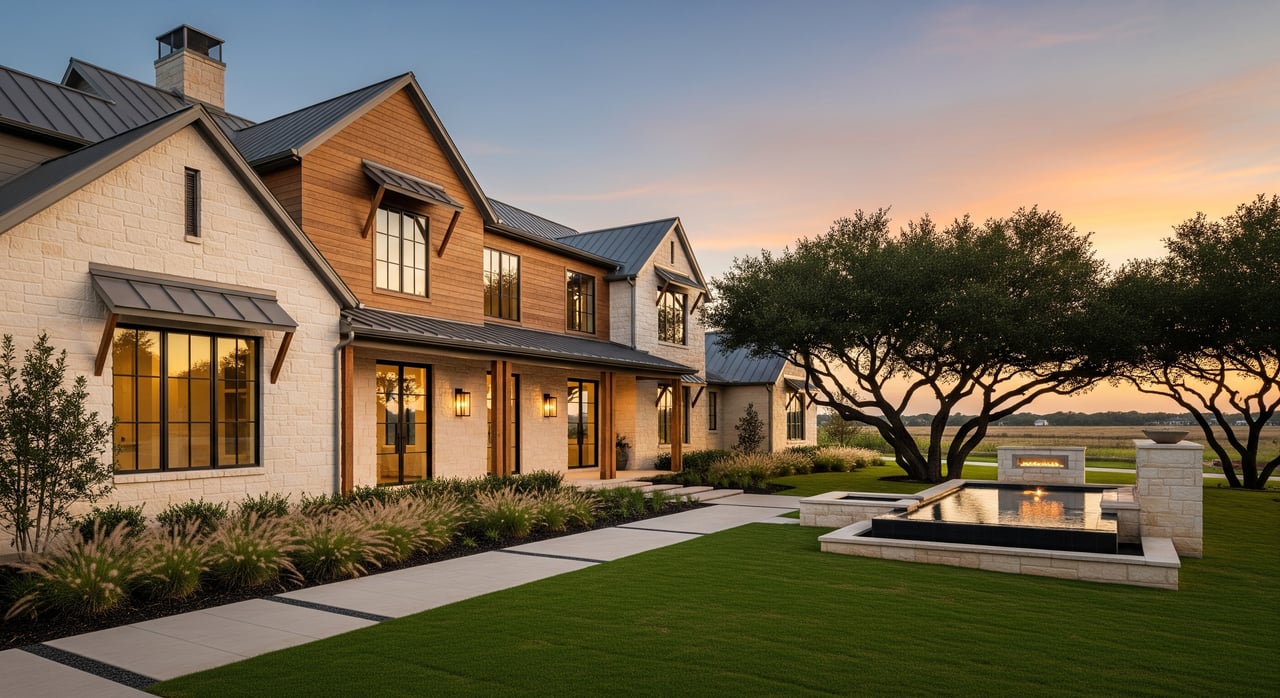
Katy Housing Market Drivers Explained
December 18, 2025
December 18, 2025
Thinking about buying or selling in Katy but not sure what really moves prices here? You are not alone. Between commute routes, new-build communities, school zones, and property tax differences, the Katy market works like a set of connected gears. This guide breaks down the drivers that matter most and how they influence price, competition, and days on market so you can make confident decisions. Let’s dive in.
When people say “Katy,” they often mean more than the City of Katy. The housing market usually refers to Greater Katy, which spans parts of Harris, Fort Bend, and Waller counties. It includes the City of Katy plus a wide ring of master-planned communities and unincorporated neighborhoods.
That matters for data. MLS areas, ZIP codes, City of Katy boundaries, and Katy ISD zones do not line up perfectly. If you compare median price or days on market, be clear whether you mean City of Katy, Katy ISD, or a specific MLS area.
Taxes can also vary by location. Properties may fall under different county appraisal districts, the City of Katy if inside city limits, Katy ISD or other school districts, and special districts like Municipal Utility Districts. Two similar homes a few miles apart can have different tax bills because of county lines and special district rates.
Interstate 10 connects Katy to the Energy Corridor and central Houston. The Grand Parkway, also known as TX‑99, provides a major orbital route and connects to other suburbs. Buyers who value shorter and more predictable commutes often lean toward neighborhoods with quicker access to I‑10 or TX‑99. Homes near these corridors can see stronger demand and faster resales when compared to similar homes that require longer surface-street drives.
Fixed-route public transit is limited in Katy compared to core Houston. Most residents rely on personal vehicles for daily commuting. That is why buyers often prioritize roadway access, peak travel times, and traffic patterns when choosing between communities.
Road expansions, managed lanes, and new connections can change drive-time reliability. When new capacity comes online, nearby subdivisions may benefit as commutes improve. Keep an eye on I‑10 and Grand Parkway updates, as well as county plans, since improved access can lift values in well-connected neighborhoods over time.
What this means for you:
Katy serves a broad mix of professionals tied to the Energy Corridor, downtown Houston, and West Houston. Education, healthcare, retail, logistics and distribution, and professional services round out the job base. Growth in distribution and logistics along the I‑10 corridor has also added local opportunities, which helps some residents reduce commute times.
For many buyers, proximity to the Energy Corridor or healthcare campuses is a deciding factor. That is why neighborhoods with easy corridor access often see resilient demand across market cycles.
Katy ISD boundaries are a key consideration for many buyers. Neighborhoods located in certain attendance zones often see stronger demand and faster absorption. School openings and rezoning can shift micro-markets, so if you are comparing areas, verify the current attendance map and any planned changes.
Master-planned communities commonly include pools, parks, trails, event lawns, retail centers, and on-site or nearby schools. These amenities attract move-up buyers who want more space and lifestyle options, as well as those seeking convenience without driving into Houston. The result is steady absorption when the amenities are delivered on time and maintained well by the community.
Proximity to regional shopping, medical centers, and entertainment can support faster resale. Neighborhoods near major retail or medical hubs often appeal to buyers looking for everyday convenience, which can help shorten days on market.
In Greater Katy, most new construction comes through large master-planned developments. These communities coordinate roads, utilities, and amenities, which lets builders deliver homes across many phases and price tiers. That steady pipeline shapes inventory levels and buyer choices year over year.
Finished lot scarcity in closer-in areas often nudges new building activity farther west into Fort Bend and Waller counties, where more raw land is available. As builders move west, new neighborhoods come online with a range of price points. That can create fresh options for buyers seeking value or larger lots, while reshaping competition for resale homes nearby.
National and regional builders, including well-known names, are active in the Katy area. Builder incentives can vary by phase and pace of sales. In entry-level and mid-tier segments, incentives may narrow pricing gaps with resale homes, which affects how buyers compare features and value.
Many new communities rely on Municipal Utility Districts to fund water, sewer, drainage, and roads. MUD tax rates add to annual carrying costs and can vary. When you compare homes across neighborhoods, consider total monthly cost, not just the purchase price. HOA fees, property tax rates, and MUD obligations all factor into the bottom line.
How to compare new build vs resale:
Katy offers a range of product types. Entry-level homes may include townhomes or smaller-lot single-family options. Move-up homes typically offer larger lots and more finishes. Higher-end homes are often found in gated or custom enclaves. Each tier responds differently to interest rates, builder incentives, and local competition.
In several Katy submarkets, new construction competes directly with resale homes in the same price band. When many similar new homes hit the market at once, builders may use incentives to drive absorption. That can influence resale pricing and days on market until inventory levels rebalance.
Floodplain considerations, drainage improvements, and elevation can affect both new development and buyer preferences. Insurance costs and perceptions of risk influence demand. Builders and buyers pay close attention to storm history and mitigation measures when evaluating lots and communities.
Homes that combine in-demand attendance zones with easy access to I‑10 or TX‑99 often sell at a premium and move faster. Similar homes that are farther from key corridors or in different zones may see longer marketing times. The effect is especially pronounced in segments where many buyers commute daily.
Inventory levels shift with resale listings, new starts, and homeowner willingness to move. When resale inventory is low and builders keep delivering popular product, sellers can see stronger pricing in certain tiers. Seasonality plays a role too, with family moves often clustering around school breaks.
Rate changes hit each tier differently. Entry-level demand tends to be more sensitive to monthly payment changes, while some move-up buyers manage rate swings with larger down payments or builder incentives. If rates rise, aggressive new-build incentives can soften the impact for buyers and increase competition for comparable resale homes.
Consult your local MLS or area market reports for inventory, pricing, and days on market. County appraisal districts publish tax rates and special district information. School district sites provide enrollment trends and attendance maps. Transportation planning pages summarize upcoming corridor projects. Builder and developer pages often outline current phases, lots, amenity timing, and product mix.
The Katy market rewards clarity on geography, commute trade-offs, school zones, and the new-build pipeline. Whether you are upsizing into a master-planned community, comparing new construction with resale, or evaluating a move to western neighborhoods in Waller or Fort Bend counties, you deserve a strategy built around your goals. If you want data-backed guidance and neighborhood-level insight, we are here to help. Connect with JL Fine Homes to schedule a consultation and move forward with confidence.
Stay up to date on the latest real estate trends.


Our philosophy is simple, we'll always ask the right questions, provide the right answers, treat everyone honestly, and only promise what we are confident we can deliver.
JL FINE HOMES
12525 MEMORIAL DR STE 350 HOUSTON TX 77024