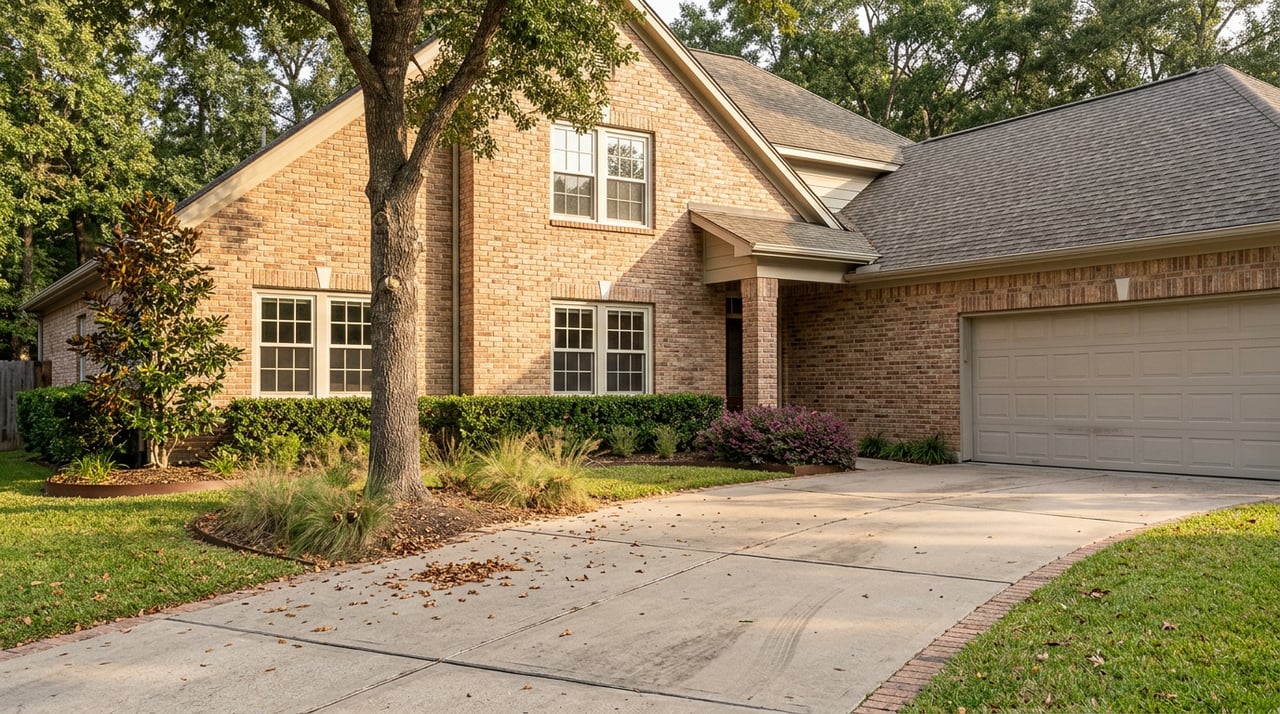
Memorial Villages Houston Taxes, Permits, and Governance
August 20, 2026
August 20, 2026
Two buyers walk into contracts the same week, both convinced they are buying into the same place. Both listings say Memorial. Both agents describe wooded lots, Spring Branch schools, easy access to I-10. Then one buyer calls to pull a permit for a pool house and finds out the permit process is more involved than she expected before anyone breaks ground. The other buyer, three streets over, gets his permit approved in a fraction of the time with a fraction of the paperwork. Same word on the listing. Different city hall entirely.
That is the thing about Memorial that a median price never tells you. It is not a neighborhood in the way Houston uses that word. It includes six separate incorporated cities, each with its own mayor, council, tax rate, and permitting office, plus Memorial West within Houston city limits. The name on the real estate listing tells you almost nothing about which of those governments will actually decide what you can build, who responds when you call for help, or what shows up on your October tax bill.
Memorial Drive gave the area its name back when it really was a country road threading past small farms along Buffalo Bayou. As Houston expanded after World War II, the residents living along that road grew concerned about annexation and the citywide lack of zoning. Between 1954 and 1960, they responded by incorporating as six independent cities: Bunker Hill Village, Hedwig Village, Hilshire Village, Hunters Creek Village, Piney Point Village, and Spring Valley Village. Incorporating gave each of these communities its own government, its own budget, and the legal authority to write deed restrictions mandating large lots and blocking commercial encroachment.
That decision, made seven decades ago, is why "Memorial" today functions less like a neighborhood and more like a federation. Each village still runs its own council meetings, sets its own budget, and answers to its own residents, not to a homeowners association and not to Houston city hall.
Because each village is its own taxing authority, the municipal portion of your bill depends entirely on which city your address sits in, not on the fact that everyone calls the area Memorial. The City of Bunker Hill Village's council voted to adopt a 2025 tax rate of $0.271 per $100 of value to fund its fiscal year 2026 budget, a rate the city noted would raise more maintenance and operations revenue than the prior year. Hedwig Village's city rate runs closer to $0.3363 per $100, meaningfully higher than Bunker Hill's. Piney Point, home to the villages' largest lots, carries the lowest municipal rate of the six.
Comparing home prices with municipal tax rates, Hilshire Village is generally the most affordable of the six villages on home price, yet it also carries the largest municipal tax rate of the group. Smaller price tag, larger city-level bill. That comparison is a reminder to consider both figures when evaluating a village address.
School taxes and county taxes layer on top of every one of these rates and do not change based on which village you are in, since most of the area is zoned to Spring Branch ISD and sits in Harris County. What changes, village to village, is the municipal slice, and each village council sets its own municipal rate.
Public safety follows the same fractured pattern. The Memorial Villages Police Department was established in 1977 through an interlocal agreement among exactly three of the six cities: Bunker Hill Village, Hunters Creek Village, and Piney Point Village. It reports to a joint police commission representing those three partner cities and nobody else. The remaining three cities, including Hedwig and Hilshire, arrange police coverage on their own instead of through the joint department, each maintaining separate municipal police service.
Fire protection is the one function all six villages actually share. The Village Fire Department serves all six Memorial Villages, Bunker Hill, Hedwig, Hilshire, Hunters Creek, Piney Point, and Spring Valley, under one shared commission. So a buyer moving to Memorial gets one fire department covering the whole area, while police coverage varies by city.
| What you're checking | Who actually handles it |
|---|---|
| Building permit for new construction or a major addition | The specific village's own building department, not a shared Memorial office |
| Police response | Memorial Villages Police Department for Bunker Hill, Hunters Creek, and Piney Point; separate departments for the other three |
| Fire and EMS response | Village Fire Department, shared across all six villages |
| Municipal tax rate | Set independently by each village's own city council |
Those requirements matter especially to buyers planning a renovation, an addition, or a teardown rebuild, common in a market where custom builders are delivering new homes between roughly $2 million and $4 million across several of the villages.
Hedwig Village's new residential plan submittal checklist requires new house plans to include a topographical and site survey prepared by a registered professional land surveyor, verifying compliance with setback restrictions and documenting finished floor elevation, adjacent roadway elevation, and every structure's distance from the property line. New house plans must be submitted digitally, and the applicant pays a $2,500 fee at submittal before the review even begins. The fee and documentation requirements are specific to Hedwig Village; neighboring villages set their own requirements.
For a buyer considering an older ranch on a big lot with plans to rebuild, checking the village's requirements before making an offer can help clarify the permitting process.
Not everyone who says they are moving to Memorial is buying inside one of the six villages. A large stretch of the broader Memorial area, generally referred to as Memorial West, sits inside the City of Houston rather than inside any of the six incorporated cities. There, permitting, floodplain management, and public works run through Houston's city departments instead of a village hall, and neighborhood character is maintained through deed restrictions and homeowners associations rather than a city council's zoning ordinance.
The price gap reflects that structural difference. As of early 2026, Memorial West's median single-family price runs in the mid $600,000s to mid $700,000s, a different tier entirely from the roughly $1.1 million to $5 million-plus range typical of homes inside the six villages. Part of that gap is lot size and part of it is the home itself, but part of it is simply that Memorial West buyers are purchasing into Houston's regulatory system, HOA covenants, and standard city services, while village buyers are purchasing into a small, independent municipal government with its own priorities and its own paperwork.
None of this shows up on a listing sheet. A property card will tell you the square footage and the lot size. It will not tell you whether your project requires a survey package or, for new house plans in Hedwig Village, a $2,500 submittal fee; whether your 911 call routes to a joint department or the city's own force; or whether your municipal tax rate sits closer to Bunker Hill's or Hedwig's. Those answers depend entirely on which of the six cities, or which corner of Memorial West, your specific address falls into.
If you are comparing homes across Memorial, the smart move is to confirm the exact city jurisdiction for every address on your shortlist before you get attached to one, not after you are under contract and calling a building department for the first time.
Are all six Memorial Villages part of the same city government? No. Each of the six, Bunker Hill, Hedwig, Hilshire, Hunters Creek, Piney Point, and Spring Valley, incorporated separately between 1954 and 1960 and still operates as its own city with its own council, budget, and ordinances.
Does one village's building permit apply if I want to build in a different village later? No. Permits are issued by the city where the property sits. Requirements, fees, and review timelines are set independently by each village's own building department.
Is Memorial West one of the six villages? No. Memorial West sits inside the City of Houston, with permitting, floodplain oversight, and public works run through the city rather than a village government, and deed restrictions or HOAs handling neighborhood standards instead of a municipal ordinance.
If you are weighing a village address against Memorial West, or trying to figure out which building department will actually review your renovation plans, JL Fine Homes can walk the jurisdiction lines with you before you write an offer. Schedule a consultation and we will help identify which local requirements apply to the address you're considering.
This article is general information, not legal, tax or financial advice. Consult a qualified professional about your situation.
Stay up to date on the latest real estate trends.


Our philosophy is simple, we'll always ask the right questions, provide the right answers, treat everyone honestly, and only promise what we are confident we can deliver.
JL FINE HOMES
12525 MEMORIAL DR STE 350 HOUSTON TX 77024