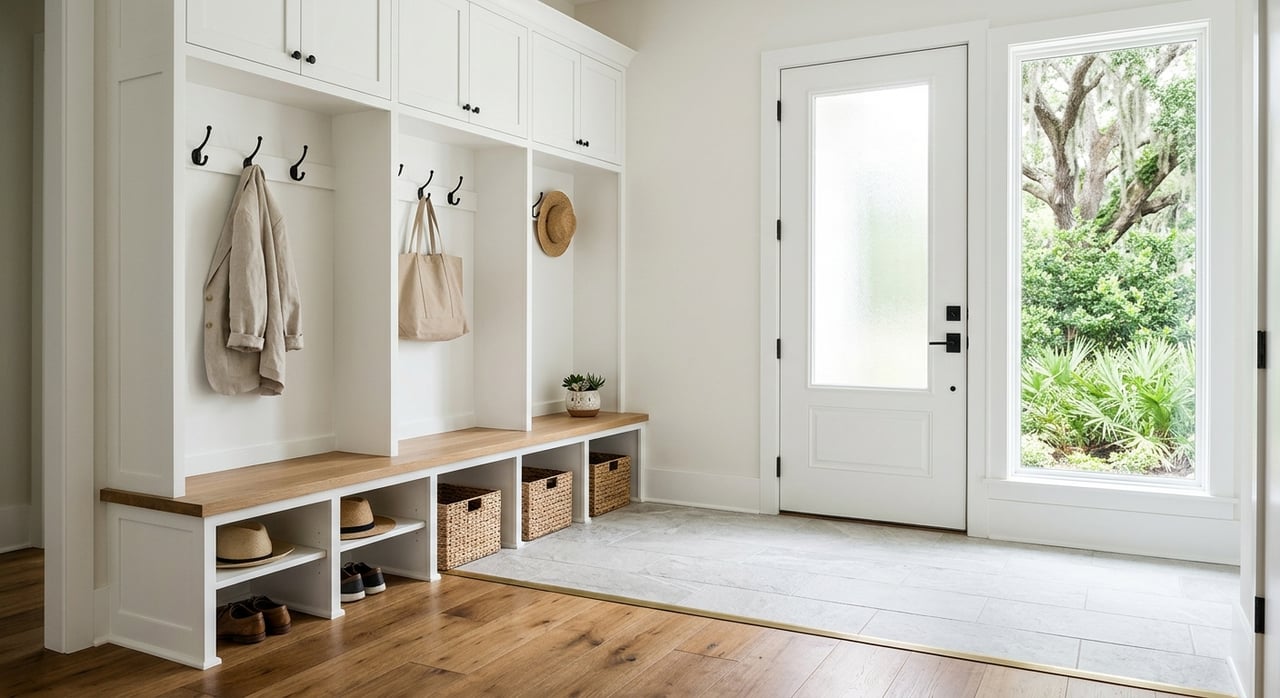
What Day-To-Day Life Is Like In Katy
May 28, 2026
May 28, 2026
Wondering what everyday life in Katy actually feels like once the moving boxes are gone? If you are considering a move here, you probably want more than a map and a list of neighborhoods. You want to know how people really live, from the morning commute to weekend errands and where daily routines tend to happen. This guide walks you through what day-to-day life is like in Katy so you can picture how it may fit your lifestyle. Let’s dive in.
One of the first things to know about Katy is that it does not feel like one single, centralized suburb. The area stretches across Harris, Fort Bend, and Waller counties, and the City of Katy notes that a Katy mailing address does not always mean a home is inside city limits. In practical terms, that means daily life can look a little different depending on exactly where you live.
You will likely experience Katy as a series of neighborhood hubs connected by major roads. Instead of relying on one downtown-style retail core, many residents move between local centers for groceries, dining, shopping, and community activities. That gives the area a flexible feel, but it also means location matters a lot when you are choosing a home.
For many households, schools shape the pace of the week. Katy ISD serves a 181-square-mile suburban district, and its eastern boundary reaches Houston’s Energy Corridor about 16 miles west of downtown Houston. Because the district covers such a large area, school attendance zones, pickup routines, extracurriculars, and event calendars often become a big part of daily planning.
Even if you are not moving with school-aged children, you will still notice how much the district influences the area’s rhythm. After-school activities, sports, and community events are part of the local routine. Katy ISD also offers community education courses for adults, which adds another layer to how residents use local resources.
Katy’s day-to-day movement is largely freeway-based. If you live here, you will likely spend a good amount of time planning around I-10 and Grand Parkway, especially if you commute to the Energy Corridor, downtown Houston, or the Texas Medical Center. For many residents, a smooth daily routine starts with choosing a neighborhood that makes the drive more manageable.
SH 99, also known as the Grand Parkway, is a major part of that network. TxDOT describes Segment D as a 17.4-mile toll road connecting US 59 South to I-10 West near Katy. That road helps connect different parts of the west Houston area, but it also reinforces Katy’s suburban, drive-first lifestyle.
If you want an alternative to driving the whole way into central Houston, Katy-area Park & Ride service can make a difference. METRO offers options including Kingsland Park & Ride, Grand Parkway Park & Ride, and Katy Freeway/TMC Park & Ride. Parking at Park & Ride facilities is free, which can be helpful if you prefer to split your commute.
Service levels are built around weekday commuting patterns. Route 222 from Grand Parkway Park & Ride runs weekdays every 4 minutes for most operating hours, while route 298 serves weekday commutes from before 5 a.m. to before 10 p.m. For some residents, that availability makes Katy feel more connected to major job centers than you might expect from a suburban community.
Katy has its own strong economic base, but it is also closely tied to west Houston employment. According to Katy Area EDC, the area includes more than 13,000 companies, over 200 corporate headquarters, and more than $20 billion in sales. Major employers include Academy Sports + Outdoors, BP North America, GEICO, Katy ISD, Schlumberger Technology Center, Shell Exploration and Production, and Wood.
Healthcare is also part of the area’s employment picture. Regional employer information includes Houston Methodist Katy Hospital and Memorial Hermann Katy Hospital. That broad job base helps support a lifestyle where some residents work locally while others commute to nearby business districts.
One reason many people find Katy convenient is that everyday errands are spread across several well-used commercial areas. You are not limited to one place for shopping, dining, or basic services. Instead, most residents settle into the hub that is closest to their neighborhood or easiest to reach on the way home.
Katy Mills is one of the area’s biggest retail anchors, with more than 175 stores near I-10 West and Pin Oak Road. LaCenterra at Cinco Ranch adds a mixed-use setting with restaurants, specialty retail, and a central green space used for community events. Katy Asian Town at the northeast corner of I-10 and Grand Parkway is another major destination, with shopping and dining anchored by H Mart.
Even with all of its suburban growth, Katy still has a visible historic side. Places like Katy Heritage Park, the MKT Railroad Depot and Park, Thomas Park, and the Historic Town Square help give the area a sense of continuity. That blend of old and new is part of what makes Katy feel distinct from a newer suburb built all at once.
For day-to-day life, that means you can have newer master-planned amenities while still being close to civic spaces with local history. Some residents are drawn to the older in-town feel near historic sites, while others prefer the newer planned communities farther out. Both are part of the broader Katy experience.
If you like having outdoor options close by, Katy offers a strong park network for a suburban community. The City of Katy Parks & Recreation Department maintains ten parks and hosts multiple events throughout the year. These public spaces support everything from playground outings to dog walks and casual weekend time outside.
Katy City Park includes the all-inclusive 13,000-square-foot Katy Play Station playground. Other city park amenities include the Katy Arboretum, Katy Heritage Park, the MKT Railroad Depot and Park, Thomas Park, VFW Park, Woodsland Park, and Katy Dog Park. For many residents, these are the kinds of places that shape what everyday living actually feels like.
Another standout local amenity is Mary Jo Peckham Park. While it is operated by Harris County Precinct 4 rather than the City of Katy, it is still part of many residents’ regular routines. The 32-acre park includes fishing, miniature golf, disc golf, a playground, picnic areas, an exercise station, and an aquatic and fitness center.
That variety matters because it gives you more than one type of outdoor experience. Some parks are better for a quick stop with kids, while others support walking, recreation, or a longer family outing. In a car-oriented suburb, having several useful green spaces nearby can make the week feel more balanced.
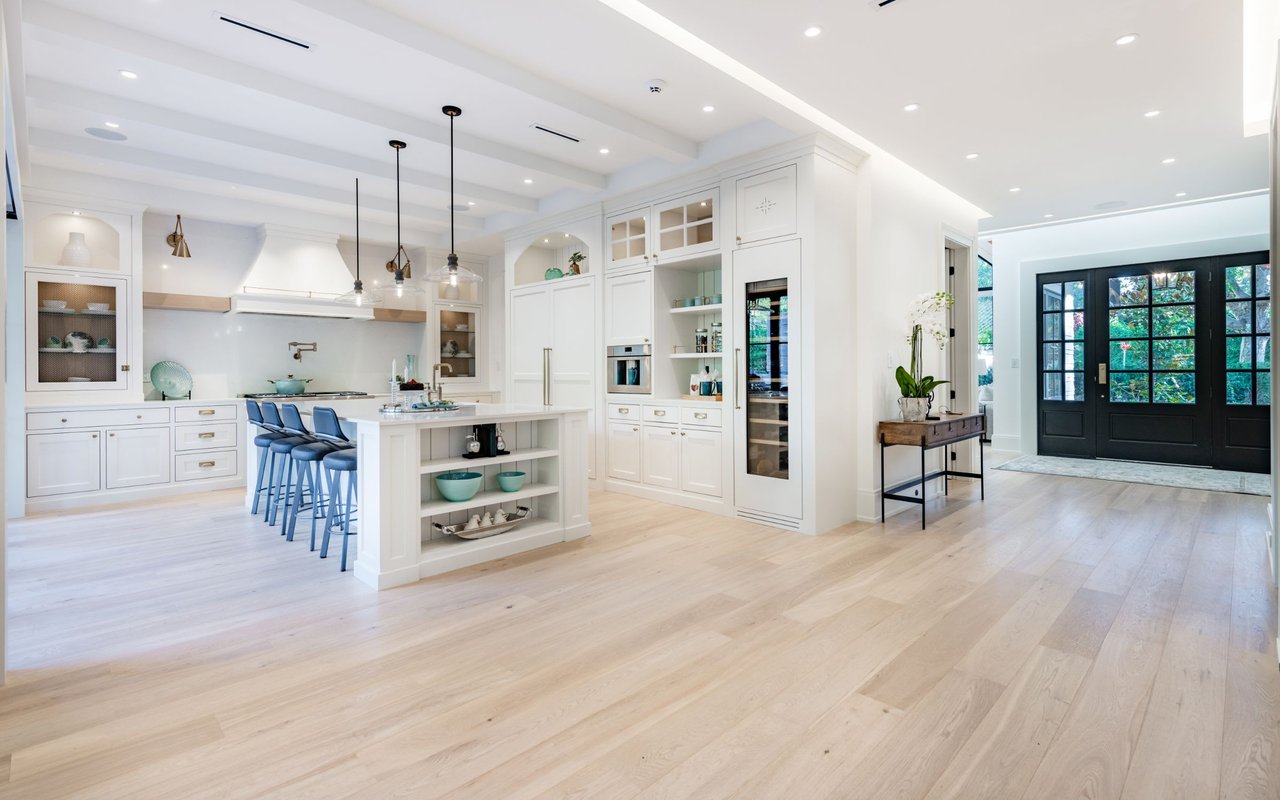
Katy is not a one-style housing market. The City of Katy says homes range from about $200,000 to more than $1.5 million, with both established neighborhoods and newer master-planned communities in the mix. That range gives buyers several lifestyle options depending on budget, commute priorities, and the kind of neighborhood setting they want.
Some areas offer older homes, mature trees, and a more established feel. Others lean into newer amenities and planned community design. This variety is one reason Katy appeals to such a wide group of buyers, from first-time buyers to move-up households and those looking for higher-end homes.
If you are drawn to a more planned lifestyle, some of Katy’s newer communities emphasize built-in amenities. Elyson highlights trails, parks, tennis, shopping, dining, and access to the Energy Corridor and medical campuses. Cane Island spans 1,100 acres and centers daily life around trails, pools, fitness, a restaurant, and gathering spaces.
That can have a real effect on your routine. In some neighborhoods, recreation, dining, and community spaces are close enough to become part of your normal week instead of a special trip. For buyers comparing communities, this is where lifestyle fit becomes just as important as square footage.
A practical detail many buyers miss is the difference between living inside the City of Katy and living in the broader Katy area. The city states that a Katy mailing address does not guarantee a property is within city limits. That distinction can affect how services are provided and how your home fits into the local governance structure.
For example, if a home is outside city limits, water service is usually provided by a Municipal Utility District. Taxes, utility structures, and HOA arrangements can vary considerably from one neighborhood to another. When you are choosing where to live, those differences can shape both monthly costs and the overall ownership experience.
At its core, Katy feels like a school-centered, suburban west Houston community with a strong mix of practical convenience and neighborhood variety. You can expect daily life to be shaped by driving patterns, local hubs for errands, public parks, and a housing mix that changes noticeably from one section of the area to another. It is connected to the wider metro, but it still offers the routines and amenities many buyers want from suburban living.
If you are thinking about moving to Katy, the biggest question is usually not whether the area has enough to offer. It is which part of Katy matches the way you want to live every day. That is where local guidance can make a real difference.
If you want help narrowing down the right Katy neighborhood for your commute, budget, and lifestyle, JL Fine Homes can help you make a confident move.
Stay up to date on the latest real estate trends.


Our philosophy is simple, we'll always ask the right questions, provide the right answers, treat everyone honestly, and only promise what we are confident we can deliver.
JL FINE HOMES
12525 MEMORIAL DR STE 350 HOUSTON TX 77024