Buying A Condo In The Galleria Area: Key Considerations
July 2, 2026
July 2, 2026
If you are thinking about buying a condo in Houston’s Galleria area, you are not just choosing a home. You are also choosing a building, a budget structure, and a day-to-day lifestyle. That can feel exciting and a little overwhelming, especially when each project offers a very different mix of amenities, fees, rules, and financing factors. This guide will help you focus on the details that matter most so you can compare options with confidence. Let’s dive in.
The Galleria and Greater Uptown area is one of Houston’s best-known mixed-use districts. Over time, higher-density housing like apartments and condos replaced much of the older single-family pattern, which means condo living is a major part of how this area functions today.
That matters because your experience here often depends as much on the building as the address. In a district anchored by shopping, hotels, offices, restaurants, and other urban conveniences, condo buyers need to think beyond square footage and finishes.
In April 2026, the broader Houston townhome and condo market showed signs of a buyer-friendly environment. HAR reported 450 townhome and condo sales, a median price of $230,000, and an 8.3-month supply.
That does not define the Galleria submarket by itself, but it does suggest you may have time to compare buildings carefully. Instead of rushing into the first attractive unit, you can take a closer look at fees, reserves, parking, insurance, and overall building operations.
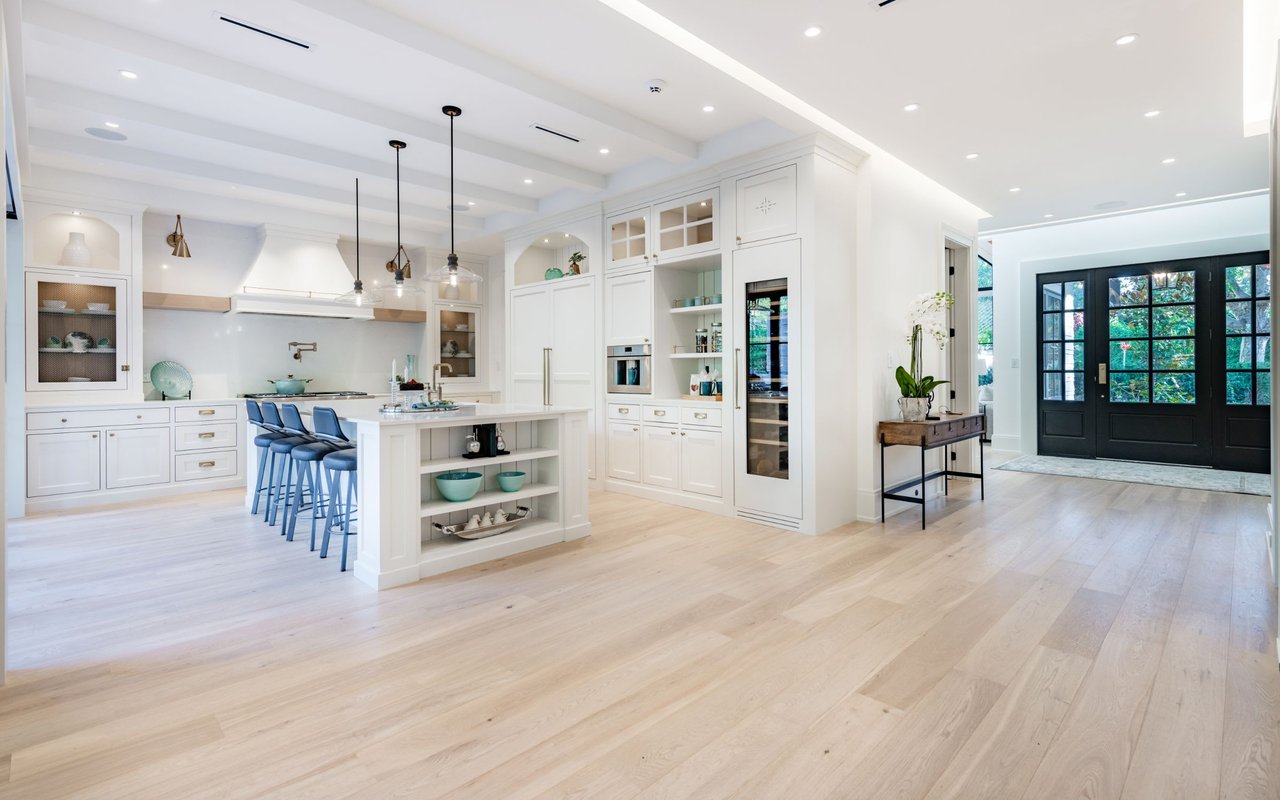
A stylish kitchen and a good view can catch your eye fast. But in the Galleria area, the bigger long-term question is how the building functions.
Some projects are large full-service towers with concierge staff, valet, pools, fitness centers, secure parking, and more extensive service offerings. Others are smaller mid-rise or lower-density communities that may still offer strong amenities but with a different feel, different privacy level, and different monthly costs.
For example, area buildings can range from luxury high-rises with resort-style amenities to mid-rise communities with concierge service, assigned parking, storage, and walkability to nearby shops and restaurants. That means your best fit depends on how you want to live, not just what looks best online.
Before you buy, think about what matters most in your daily routine. A full-service tower may appeal to you if you want a lock-and-leave setup with more on-site support.
A smaller building may feel more private or simpler to navigate. The tradeoff can come down to monthly HOA fees, service levels, guest access, and how busy shared spaces feel.
Ask yourself questions like these:
In Texas, condo due diligence is a major part of the buying process. Under Chapter 82 of the Texas Property Code, the seller must furnish key association documents before closing, including the declaration, bylaws, association rules, and a resale certificate prepared no earlier than three months before delivery.
The resale certificate is one of the most important documents you will review. In Texas, it is the standard buyer-facing document used in condo sales, and it should show the operating budget, assessments, reserves, pending suits, insurance, and transfer fees.
Those details can affect both your monthly carrying costs and your future resale options. Reviewing them early can help you avoid surprises later in the process.
Monthly HOA dues are only part of the cost picture. Under Chapter 82, regular and special assessments, dues, fees, late fees, fines, collection costs, and attorney’s fees can be secured by a lien on the unit.
That is why it is so important to ask whether the building has any current or planned special assessments. A building with attractive pricing may look less appealing if a large capital expense is around the corner.
You should also review whether dues have been rising sharply and whether the association appears to be budgeting responsibly. A lower monthly fee is not always better if it comes with weak reserves or deferred maintenance risk.
Texas law requires condo associations to keep detailed records, including financial records, plans and specifications, meeting minutes, and voting records. The management certificate must identify the condominium, the association, declaration recording data, and the managing agent or mailing address.
For you as a buyer, that matters because it helps you locate the right contact and verify how the association is organized. If you need more information while evaluating a property, the management certificate can point you to the current association contact details.
Not all Galleria condos function the same way, even when they look similar on paper. A smart shortlist should compare the shared systems and rules that shape everyday living.
Look closely at these features:
These details often have a bigger impact on daily comfort than cosmetic upgrades inside the unit. They can also affect how easy the property is to finance and resell later.
One of the most important condo questions is also one of the simplest: what are you paying for each month? HOA fees can cover very different things from one building to another.
You should confirm what is included and what you will pay separately. That may include building insurance structure, amenities, staffing, exterior maintenance, common area upkeep, utilities, or parking-related costs.
When you compare two condos, the one with the higher monthly fee is not automatically the worse value. If that fee covers more services or reflects stronger reserves, it may support a more stable ownership experience.
Condo financing can be more complex than financing a single-family home. Fannie Mae says lenders evaluate condo projects for physical condition, financial stability, outstanding structural debts, evacuation orders, lawsuits, and required inspections.
That is why you should ask early whether the project is considered warrantable for your loan type. A unit you love may still become challenging if the building does not meet lender standards.
This is also one reason the association’s finances, insurance, reserves, and legal issues matter so much. They do not just affect current owners. They can directly shape your financing path and future buyer pool.
Condo insurance has two parts to understand: your own policy and the association’s master policy. According to the Texas Department of Insurance, condo insurance usually covers the contents of the unit, the interior of the unit, liability, and additional living expenses.
At the same time, the master policy can vary from building to building. You should review what the association policy covers and what your own HO-6 policy would need to cover so there are no gaps.
If standard carriers will not provide condo coverage, the Texas FAIR Plan may be an option. Still, the right first step is to understand the building’s insurance structure before you finalize your budget.
Even if you plan to stay for years, resale should still be part of your decision. Buildings with clear parking rights, reasonable fees, healthy reserves, adequate insurance, and lender-friendly project status are often in a stronger position from a resale standpoint.
That does not guarantee future value, but it does support a more stable ownership profile. Buyers in the future are likely to ask many of the same questions you are asking now.
When you buy into a well-run building, you are not only buying your current home. You are also buying into the building’s reputation, recordkeeping, and long-term operational health.
As you narrow your options, keep this checklist handy:
Buying a condo in the Galleria area is not just about finding a beautiful unit in a great location. It is about matching your lifestyle, monthly budget, financing needs, and long-term goals to the right building.
When you compare projects carefully, ask better questions, and review the documents that matter, you put yourself in a much stronger position to make a smart purchase. If you are exploring condo options in the Galleria area and want a thoughtful, consultative approach, schedule a consultation with JL Fine Homes.
Stay up to date on the latest real estate trends.


Our philosophy is simple, we'll always ask the right questions, provide the right answers, treat everyone honestly, and only promise what we are confident we can deliver.
JL FINE HOMES
12525 MEMORIAL DR STE 350 HOUSTON TX 77024