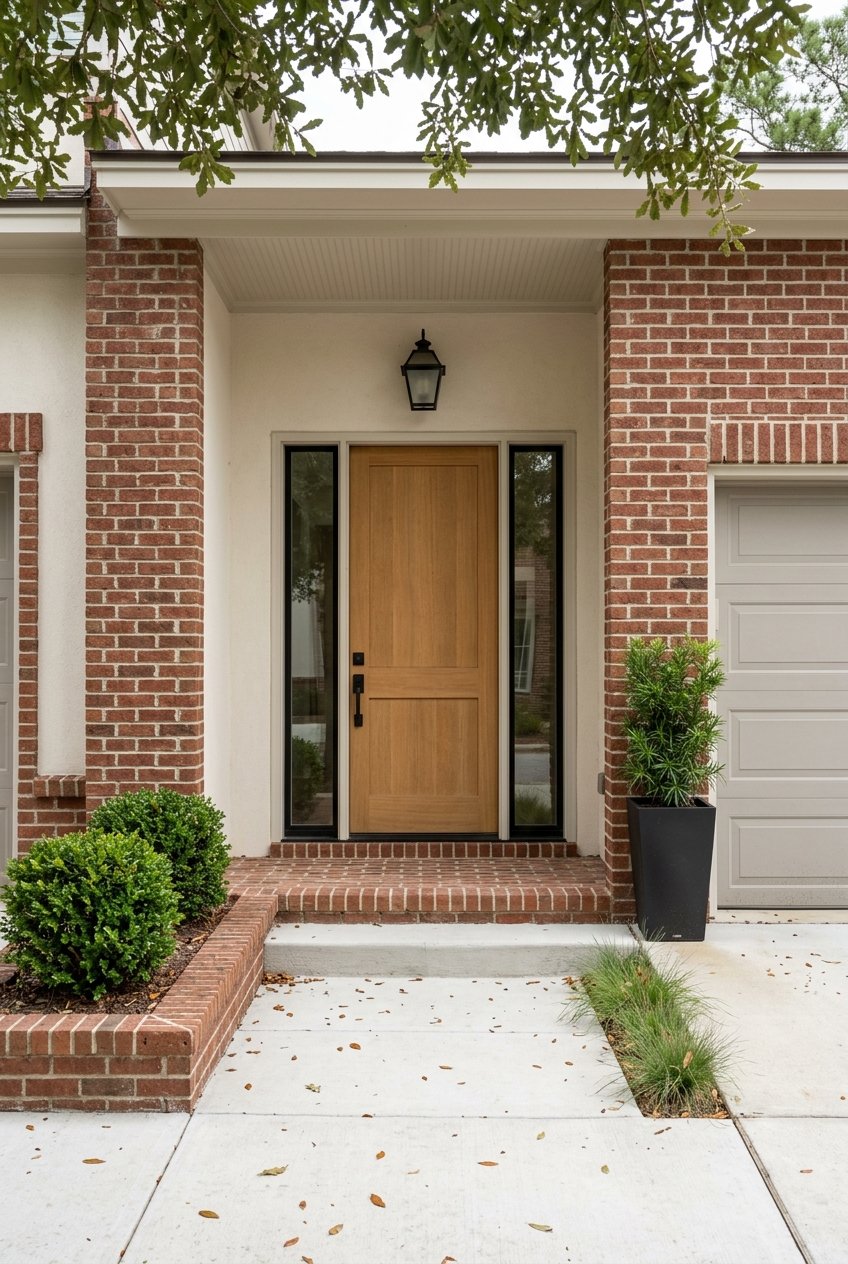
What To Expect When Selling A Townhome In The Energy Corridor
June 25, 2026
June 25, 2026
If you are thinking about selling your townhome in the Energy Corridor, you may be wondering whether the process will be quick, competitive, or full of extra HOA steps. The short answer is that you can expect real opportunity, but not a market where you can simply list and wait. With current local conditions, buyers are active but selective, which means presentation, pricing, and preparation matter. Let’s dive in.
Selling a townhome in the Energy Corridor starts with understanding the local market. According to the latest HAR update for June 2026, the area is in a seller’s market with 3.8 months of inventory, about 41.9 days on market, and a median sold price of $546,876.
That said, attached-home buyers are still paying close attention to value. HAR’s broader Houston update for May 2026 shows the townhome and condominium segment had mixed results, with 464 sales, a median price of $230,000, an average price of $283,293, and active listings up 6.0% year over year.
For you as a seller, that means demand is there, but buyers are comparing options carefully. You should expect interest from qualified buyers, but not assume your home will attract instant multiple offers without the right strategy.
The Energy Corridor is known as a major west Houston employment and residential hub. District information highlights strong access to downtown Houston, the Texas Medical Center, and both airports, along with trails, parks, office campuses, retail, and mixed residential living.
That local setting shapes what buyers tend to notice first. A townhome here is often appealing because it supports a convenient, lower-maintenance lifestyle in a well-connected part of Houston.
When buyers shop in this area, they are often looking at more than square footage alone. They are also weighing location, ease of living, and how move-in ready the home feels from the moment they see it online.
Most townhome buyers in the Energy Corridor want a home that feels clean, well-kept, and easy to maintain. In an attached-home setting, visible condition can have a big impact because buyers often expect a simpler transition and fewer immediate projects.
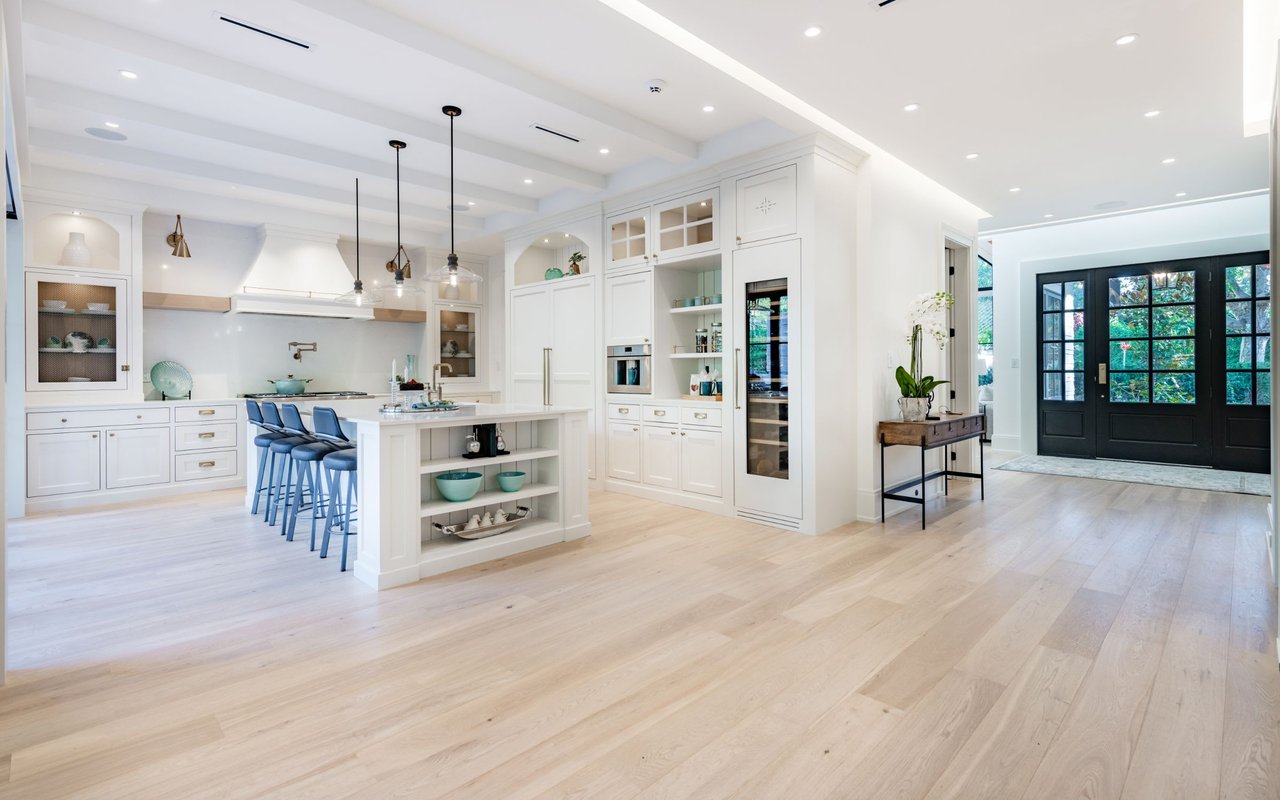
That means first impressions count. Buyers may respond strongly to details they can see right away, such as fresh paint, updated lighting, tidy floors, uncluttered rooms, and a polished entry.
Compass Concierge points to common pre-sale improvements that often influence buyer perception, including staging, flooring, painting, deep cleaning, decluttering, cosmetic renovations, landscaping, HVAC, electrical, plumbing, and seller-side inspections or evaluations. For many townhome sellers, the best returns come from improvements that show up clearly in listing photos and in-person tours.
You do not always need a full remodel to sell well in this market. In fact, current conditions suggest that targeted improvements are usually the smarter path.
A focused prep plan often includes:
These updates can help your home feel more current without overspending. Since the average days on market in the Energy Corridor is roughly 42 days, your goal is to enter the market polished, competitive, and well-priced rather than over-improved.
One of the biggest things to expect when selling a townhome in the Energy Corridor is a more strategic pricing conversation. Even in a seller’s market, buyers in the attached-home segment remain price-sensitive.
That means pricing should reflect current local conditions, your townhome’s presentation, and how it compares to other available options. If your home is well-prepared and marketed effectively, pricing can support stronger early interest and reduce the risk of sitting too long.
A pricing story should make sense to buyers from the start. If the number feels disconnected from condition, location, or competing inventory, buyers may hesitate even in a market with limited supply.
Townhome sales often come with one extra layer that single-family sellers may not deal with in the same way: association documentation. If your townhome is governed by a property owners’ association, buyers will usually want clear HOA information before they fully commit.
Texas resale certificates typically cover topics buyers commonly ask about, including unpaid amounts, capital expenditures, reserves, the operating budget, insurance, violations, pending lawsuits, managing-agent contact information, transfer fees, and whether HOA liens can be foreclosed.
In practical terms, you should expect HOA transparency to be part of the sale. If those documents are delayed or incomplete, they can slow negotiations and create stress later in the transaction.
Texas Property Code Chapter 207 sets the main rules for subdivision information in these transactions. Under that law, an association generally has up to 10 business days to deliver a resale certificate after a written request.
The law also allows a reasonable and necessary fee of up to $375 for the initial certificate and up to $75 for an updated certificate. If an updated resale certificate is requested, it must generally be delivered within 7 business days.
This is one reason early planning matters. If you wait until you are already under contract to start gathering HOA information, you may lose valuable time.
Not every attached home is structured the same way. Some properties that look like townhomes from the street may be governed by a property owners’ association, while others may fall under condominium rules.
TREC explains that HOA management certificates must be filed with hoa.texas.gov and that the database is searchable by location or association name. If a certificate is not available there, the next step may be contacting the county clerk or the HOA directly.
This may sound technical, but it can affect what documents are needed and how quickly you can provide them. It is worth confirming early so the transaction stays on track.
If you are planning ahead, a 6 to 12 month runway can be very helpful. That gives you time to evaluate repairs, identify HOA document needs, complete cosmetic updates, and prepare the home for photos and showings.
A practical timeline often looks like this:
When you sell a townhome in the Energy Corridor, marketing should do more than announce that your home is available. It should position your home as polished, low-maintenance, and well-matched to the lifestyle buyers want in this area.
JL Fine Homes brings a neighborhood-focused approach backed by Compass tools and premium presentation. That matters in a segment where buyers often make fast judgments based on photos, overall condition, and how clearly the home fits their needs.
Compass also offers Concierge, which can front approved home-improvement services with zero due until closing. For sellers who want to improve presentation without paying upfront, that can help make strategic pre-listing work more manageable.
Compass states that sellers may also use pre-market phases such as Private Exclusives and Coming Soon before going live on the MLS. Along with Compass One tools and the 3-Phased Marketing Strategy, that can help shape pricing, presentation, and exposure before the home reaches the full market.
In simple terms, you should expect the sale of your Energy Corridor townhome to be about more than just putting a sign in the yard. You will likely need a thoughtful plan around pricing, visible condition, HOA readiness, and market timing.
The good news is that the local market still offers real opportunity. With limited inventory in the Energy Corridor and a location that continues to attract buyers who value convenience and access, a well-prepared townhome can stand out.
If you want to sell smoothly and competitively, the best next step is to prepare early, focus on the updates buyers notice most, and make sure your documents and pricing support the story your home is telling. When you are ready, JL Fine Homes can help you build a selling strategy tailored to your townhome and your timeline.
Stay up to date on the latest real estate trends.


Our philosophy is simple, we'll always ask the right questions, provide the right answers, treat everyone honestly, and only promise what we are confident we can deliver.
JL FINE HOMES
12525 MEMORIAL DR STE 350 HOUSTON TX 77024