Cypress Rental Guide for First-Time Investors
May 14, 2026
May 14, 2026
If you are thinking about buying your first rental property in Cypress, it is easy to focus on the monthly rent and miss the details that shape your real return. This market can look straightforward on the surface, especially if you are comparing suburban homes and seeing rents in the mid-$2,000s. But before you buy, it helps to understand how Cypress inventory, lease terms, taxes, and neighborhood differences can affect your numbers. Let’s dive in.
Cypress is an unincorporated Harris County community about 20 miles northwest of Houston. It is made up of many subdivisions, which helps explain why the rental market tends to feel more suburban than urban.
That matters for first-time investors because the local rental stock is often centered on homes rather than large multifamily buildings. In practical terms, you are more likely to evaluate a house in a neighborhood setting than a dense apartment asset.
As of spring 2026, major real estate portals point to a very active rental market in Cypress. Realtor.com reports a median rent of $2,392, while Zillow reports an average rent of $2,500. The exact figure varies by data source, but both suggest that Cypress has meaningful rental demand.
At the same time, Realtor.com reports 1,969 homes for sale and labels Cypress a buyer’s market for sales. Zillow describes the rental market as warm. For a first-time investor, that combination may mean you could find more room to negotiate on the purchase side while still entering a market with solid lease-up activity.
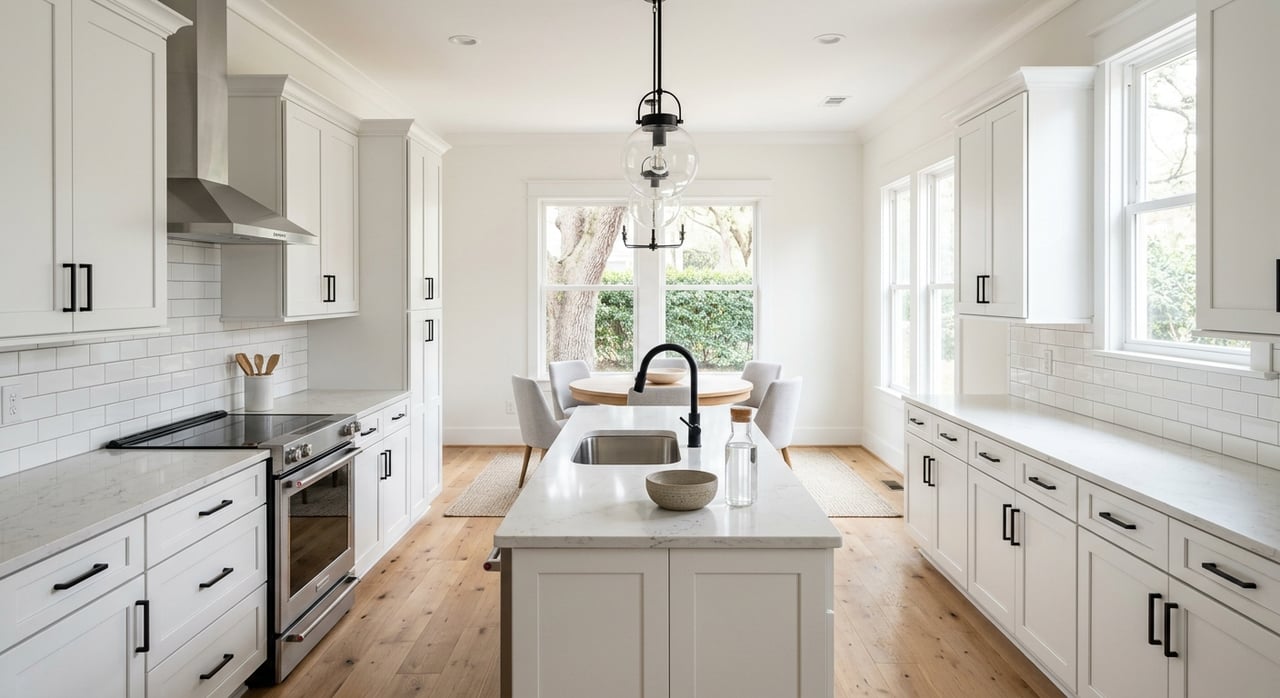
One of the biggest things to know about Cypress is that the rental market is heavily house-focused. Zillow’s rental inventory shows many homes in the 3- to 5-bedroom range, often around 1,700 to 3,000 square feet.
Apartment communities do exist in Cypress, so the market is not limited to single-family homes. Still, if you are just getting started, there is a good chance the deals you review will be suburban houses in planned neighborhoods.
That affects how you should think about upkeep and tenant expectations. A house rental can come with more maintenance exposure, including yard-related issues, exterior wear, plumbing concerns, and larger repair items that can hit cash flow quickly.
A common mistake first-time investors make is treating Cypress like one uniform market. In reality, rent levels can vary a lot depending on the subdivision and price band.
Realtor.com neighborhood data shows median monthly rents around $1,990 in Cypress Springs and about $2,850 in Lakeland Village. Towne Lake is around $2,200, while Villages of Cypress Lakes is around $2,497. That is a meaningful spread, and it shows why neighborhood-level pricing matters.
If you are building a buy box, start by narrowing your search to specific areas instead of using Cypress as one broad label. Portal activity also shows that much of the search interest centers on ZIP codes 77429 and 77433, which can help you focus your early research.
On a high level, current Cypress numbers can look appealing for new investors. Using current median rents and the median sold price of $387,812, gross annual rent works out to roughly $28,700 to $30,000.
That implies a gross yield of about 7.4% to 7.7% before expenses. It is a useful starting point, but it is not a full underwriting model.
Your actual return depends on much more than the top-line rent. Property taxes, insurance, maintenance, vacancy, capital reserves, HOA dues, and management fees can change the picture fast.
For many first-time investors, the biggest surprise is not rent. It is how quickly carrying costs add up once the property is in service.
Texas has no state property tax, but local taxing units set property tax rates. A single tax bill may include more than one taxing unit, which means annual costs are highly specific to the property address.
That is why you should treat taxes as an active underwriting item, not a background assumption. Two homes with similar rents can produce very different net results if their tax burden, insurance profile, or HOA costs differ.
If you are converting a former primary residence into a rental, review your tax and insurance assumptions right away. Harris County Appraisal District says a residential homestead exemption requires the owner to occupy the property as a primary residence, so a home used as a rental should not be modeled the same way as an owner-occupied property.
In Harris County, appraisal timing matters because protests are annual and deadline-driven. According to the Texas Comptroller and HCAD, appraisal notices are generally mailed by May 1, or by April 1 for residence homesteads.
The usual protest deadline is May 15 or 30 days after the notice is mailed, whichever is later. HCAD also says the process can be handled online.
For an investor, this matters because property taxes can be one of the largest operating expenses. If you own rental property in Cypress, staying on top of appraisal notices and protest windows is part of protecting your long-term returns.
In Texas, the lease is the center of the landlord-tenant relationship. The Texas Attorney General notes that written leases are more common than oral arrangements, and for a first-time investor, a clear written lease is essential.
At a minimum, your lease should clearly address rent due dates, late fees, pets, maintenance responsibilities, renewal expectations, and move-out notice requirements. If those details are vague, confusion can turn into expense very quickly.
Texas law also handles month-to-month and fixed-term leases differently. For month-to-month tenancies, either party can generally terminate by notice, although the lease may set a different notice period. For fixed-term leases, the written contract matters even more because there is no one-size-fits-all notice rule in the same way.
Security deposits are not just an accounting detail. They are a compliance issue that first-time landlords need to understand from day one.
Texas Property Code Chapter 92 requires a landlord to refund the security deposit within 30 days after the tenant surrenders the premises. If part or all of the deposit is withheld, an itemized list of deductions is required.
It is also important to know what you cannot charge for. The Texas Attorney General notes that normal wear and tear is not chargeable to the tenant.
Repairs are another area where first-time investors can underestimate the day-to-day realities of owning a rental. The Texas State Law Library explains that landlords must address conditions that materially affect health or safety, including issues such as plumbing leaks, mold, electrical problems, and pest infestations.
The library also explains that seven days is generally presumed to be a reasonable repair time after proper notice in many cases. That gives you a useful framework, but it also shows why responsive systems matter.
If you own a house rental in Cypress, repair exposure is not theoretical. One maintenance issue can affect tenant satisfaction, legal compliance, vacancy risk, and your monthly budget all at once.
Cypress can be a solid market for first-time investors, but it is not a market to approach casually. Between subdivision-level pricing differences, Texas lease rules, repair obligations, and Harris County tax complexity, the details matter.
Professional support can help you make better decisions before and after closing. Property managers can assist with pricing, tenant screening, lease administration, maintenance response, and compliance. CPAs and financial advisers can help you model depreciation, reserves, tax impacts, and exit strategy.
Just as important, local real estate guidance can help you identify which Cypress homes may align with your investment goals in the first place. A strong rental purchase starts with the right property, not just a hopeful rent estimate.
If you are buying your first rental in Cypress, keep your process simple and disciplined. Focus on the basics before you scale.
Here are a few strong starting points:
A first rental does not have to be perfect to be a smart move. But it does need to be evaluated with clear eyes and local context.
If you are exploring Cypress rentals as an investment, working with a neighborhood-savvy team can help you sort through the numbers, the location choices, and the practical realities of ownership. To talk through your options, connect with JL Fine Homes.
Stay up to date on the latest real estate trends.


Our philosophy is simple, we'll always ask the right questions, provide the right answers, treat everyone honestly, and only promise what we are confident we can deliver.
JL FINE HOMES
12525 MEMORIAL DR STE 350 HOUSTON TX 77024