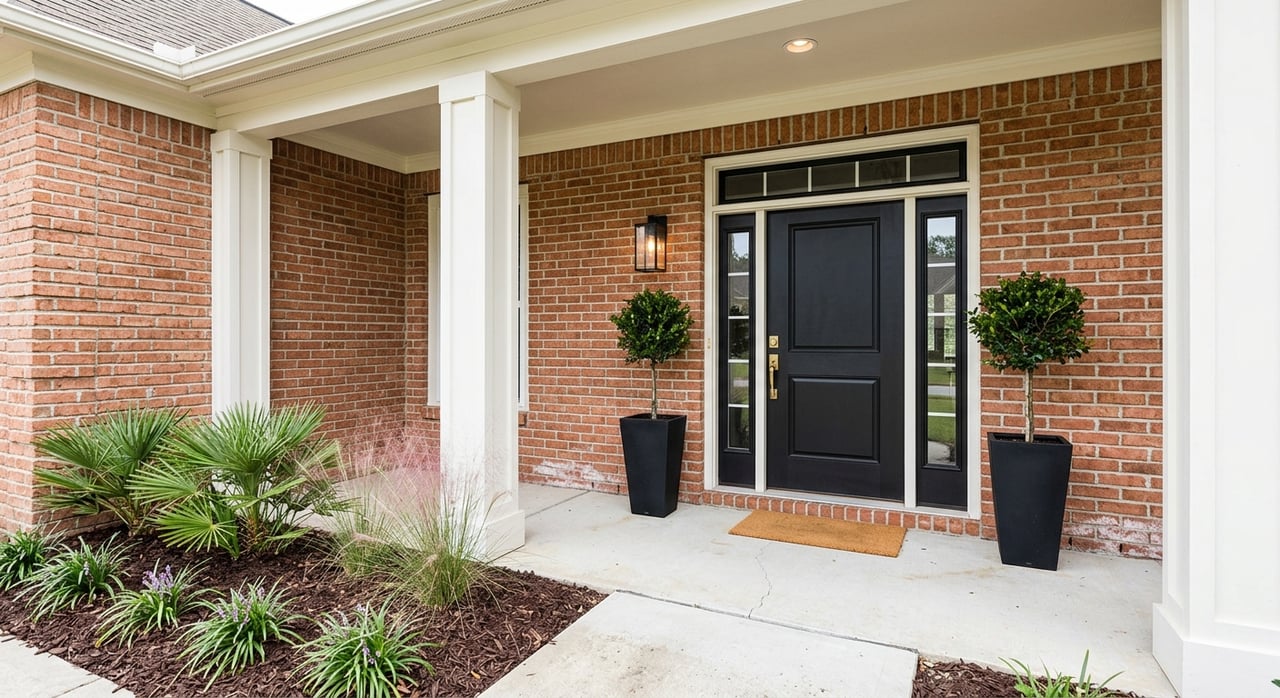
Smart Pricing Strategies For Katy Home Sellers
May 21, 2026
May 21, 2026
If you price your Katy-area home too high, you may lose the strongest buyer interest before your listing ever gains momentum. If you price it too low, you risk leaving money on the table. In a market where Katy, Katy North, Katy Southwest, and Waller can each behave differently, smart pricing starts with local detail, not broad averages. Here’s how to think about pricing strategically so you can launch with confidence and attract serious buyers from day one.
One of the biggest mistakes sellers make is treating Katy and Waller like one market. The latest HAR data shows clear differences across these areas, including median prices, inventory levels, and average days on market. That means the right list price for your home depends on where it sits, what nearby homes have actually sold for, and how buyers are responding in that specific pocket.
For example, the city of Katy showed a May 2026 median price of $394,995 and 31 days on market. Katy North was closer to $302,034 with 4.7 months of inventory and 43.7 days on market, while Katy Southwest was around $569,334 with 4.1 months of inventory and 38.1 days on market. Waller city trends were about $286,990 with 38 days on market, and the broader Waller market area showed a May 2026 median sold price of $321,569 with 6.7 months of inventory and 59.4 days on market.
Those numbers tell a simple story. A citywide average does not price your home. A smart pricing strategy uses a micro-market comp set that reflects your neighborhood, price range, condition, and buyer pool.
A strong launch price begins with comparable sales, often called comps. These are recently sold homes with similar size, condition, features, and location. Sold comps usually matter more than active listing prices because they show what buyers were actually willing to pay.
A pricing analysis can also include homes that are active or under contract. That broader view helps you see current competition and where buyers may be drawing the line on price. Still, sold homes provide the clearest evidence when setting a realistic starting point.
In areas like Katy and Waller, this matters even more because pricing patterns can shift quickly from one section to another. A home in Katy Southwest should not be measured against homes in Katy North just because both share a Katy mailing address. The same logic applies when comparing Waller city with the broader Waller market area.
Two homes with similar square footage may not deserve the same list price. Buyers notice condition, upgrades, lot position, and overall presentation, and those differences affect value. A newer roof, updated kitchen, renovated bath, or improved finishes can support a stronger price if the market also recognizes those features.
On the other hand, needed repairs or less favorable features may require a pricing adjustment. That could include an older interior, deferred maintenance, or a location factor like backing to a busier road. Smart pricing accounts for what buyers will compare when they walk through your home and then look at competing options.
This is where strategy matters. Sometimes it makes sense to improve the home before listing. In other cases, pricing for the home’s current condition is the better move. JL Fine Homes can help sellers think through that decision with a valuation consultation and concierge-enabled pre-sale improvements when appropriate.
Even in a data-driven market, timing matters. Texas home sales typically begin picking up in March, peak in summer, and slow in winter, with January often marking the seasonal low. New listing activity usually peaks in May, which means sellers often enter the market during a period of strong activity but also greater competition.
That seasonal pattern can affect how ambitious you can be on price. When more listings hit the market, buyers gain options and become more selective. In June 2025, as peak season started to taper, Texas inventory reached 5.7 months and sellers reduced prices by $5,000 or more in two-thirds of closed sales.
The takeaway is not that you should rush. It is that your launch price should match the season you are entering. If buyers have more choices, a precise and competitive price becomes even more important.
Katy and Waller are local markets, but they also sit within the wider Houston housing picture. In April 2026, Greater Houston had a median price of $332,000, 60 days on market, and 4.9 months of inventory. At the same time, single-family sales rose 4.4% year over year, pending sales climbed 9.4%, and active listings increased 6.5%.
That mix suggests buyers are active, but careful. More inventory gives them room to compare homes closely, negotiate, and wait for better value. HAR also reported that in November 2025, Houston’s average list-to-sale price ratio fell to 92.2%, the lowest it had tracked since 2001.
For sellers, that is an important signal. A high launch price may not create negotiating strength. Instead, it may reduce showings, extend time on market, and force a later correction.
The first days on market are often your best chance to capture attention. New listings typically draw the most interest when they first appear, especially from buyers who have been waiting for a home like yours. If the price feels out of sync, many of those buyers may move on before you have a chance to adjust.
Homes that start too high often need price reductions later to renew interest. While a reduction can help, it is usually more effective to get the launch price right from the start than to depend on a correction after the listing has gone stale. A well-priced home can create stronger early activity and better feedback from the market.
This is especially important in segments where buyers are already sensitive to value. The longer a listing sits, the more buyers may wonder what is wrong with it, even when the issue is simply the original price.
Not every price range performs the same way. In Houston’s April 2026 report, sales increased in the sub-$100,000, $100,000-$149,000, $150,000-$249,000, and $250,000-$499,000 bands. Sales slipped 1.3% in the $500,000-$999,000 band, while homes priced at $1 million and up rose 2.1%.
Other research also showed pricing pressure in certain segments. In November 2025, median price cuts were most severe in the $250,000-$350,000 band and also elevated at $800,000 and above. That tells you buyers are not reacting evenly across all tiers.
For your home, the goal is to land in the strongest demand band for its location and condition. Sometimes that means avoiding a round number that pushes the home into a weaker search range. A smart price should reflect how buyers shop, not just what sounds clean on paper.
A smart pricing plan is both analytical and practical. Here are a few strategies that can help you launch well:
A useful pricing conversation should go beyond a single number. It should cover where your home fits in the local market, what buyers are likely to compare it against, and how your timeline affects the strategy. If you want a faster sale, your pricing may need to be more competitive than if you have flexibility and can wait for the right buyer.
It should also include the home’s current condition and whether improvements could shift value. For some sellers, pre-sale updates and stronger presentation may support a better launch. For others, listing as-is at a realistic price may be the smartest path.
That kind of planning is where local guidance makes a real difference. In a market as segmented as Katy and Waller, pricing is not guesswork. It is a strategy built from local evidence, timing, and buyer behavior.
If you are preparing to sell in Katy or Waller, the best next step is a pricing conversation rooted in your exact micro-market. The team at JL Fine Homes offers consultative seller guidance, valuation support, and tailored marketing to help you launch with clarity and confidence.
Stay up to date on the latest real estate trends.
Our philosophy is simple, we'll always ask the right questions, provide the right answers, treat everyone honestly, and only promise what we are confident we can deliver.
JL FINE HOMES
12525 MEMORIAL DR STE 350 HOUSTON TX 77024